Finding a pile of sawdust near your baseboards or spotting a winged insect crawling across your windowsill can send any homeowner into a tailspin. Your mind immediately goes to the worst-case scenario: structural damage, expensive repairs, and a home that is literally being eaten from the inside out.
But before you panic, it is important to know exactly what you are dealing with. In the world of wood-destroying pests, there are two primary suspects: the termite and the carpenter ant. While both can cause significant headaches, they are very different creatures with different motives. One is looking for a snack, while the other is just looking for a place to stay.
At EnviroWise Pest Solutions, we believe that education is the first step in protecting your property. Let’s break down the differences between these two pests so you can identify the threat before it compromises your home’s integrity.
The Identity Crisis: Physical Differences
At a quick glance, a flying ant and a termite swarmer look remarkably similar. They are both small, dark, and possess wings. However, if you look closely (or let us take a look for you), the physical differences are quite distinct.
1. The Waistline
Think of a carpenter ant like a bodybuilder: it has a very distinct, "pinched" waist. It’s segmented and easy to see. A termite, on the other hand, has a broad, thick waist. Their body is more rectangular or cigar-shaped, without that narrow middle section.
2. The Antennae
Ants have "elbowed" antennae. They have a joint that allows them to bend at a sharp angle. Termite antennae are straight and look like tiny strings of pearls or beads.
3. The Wings
If you find discarded wings (a common sign of an infestation), check the length. A carpenter ant has two pairs of wings, but the front pair is significantly longer than the back pair. A termite also has four wings, but they are all exactly the same length. Termite wings are also much more fragile and tend to fall off easily once they’ve landed.

Eating vs. Excavating: The Motivation Matters
The most critical difference between these two pests isn't how they look, but how they behave.
Termites are nature’s recyclers. They actually eat the cellulose found in wood. To a termite, your home’s framing is a 24/7 all-you-can-eat buffet. Because they consume the wood, the damage they leave behind is often hidden deep within the structure until it is too late.
Carpenter ants do not eat wood. They are simply looking for a place to build a nest. They use their powerful mandibles to chew through the wood to create "galleries" or tunnels where they can raise their young. They get their food from outside sources: like the crumbs in your kitchen or the honeydew produced by aphids in your garden.
Even though carpenter ants aren't eating the wood, carpenter ant damage can still be severe over time. As the colony grows, they expand their tunnels, which can eventually weaken the structural supports of your home.
Spotting the Signs of Carpenter Ant Damage
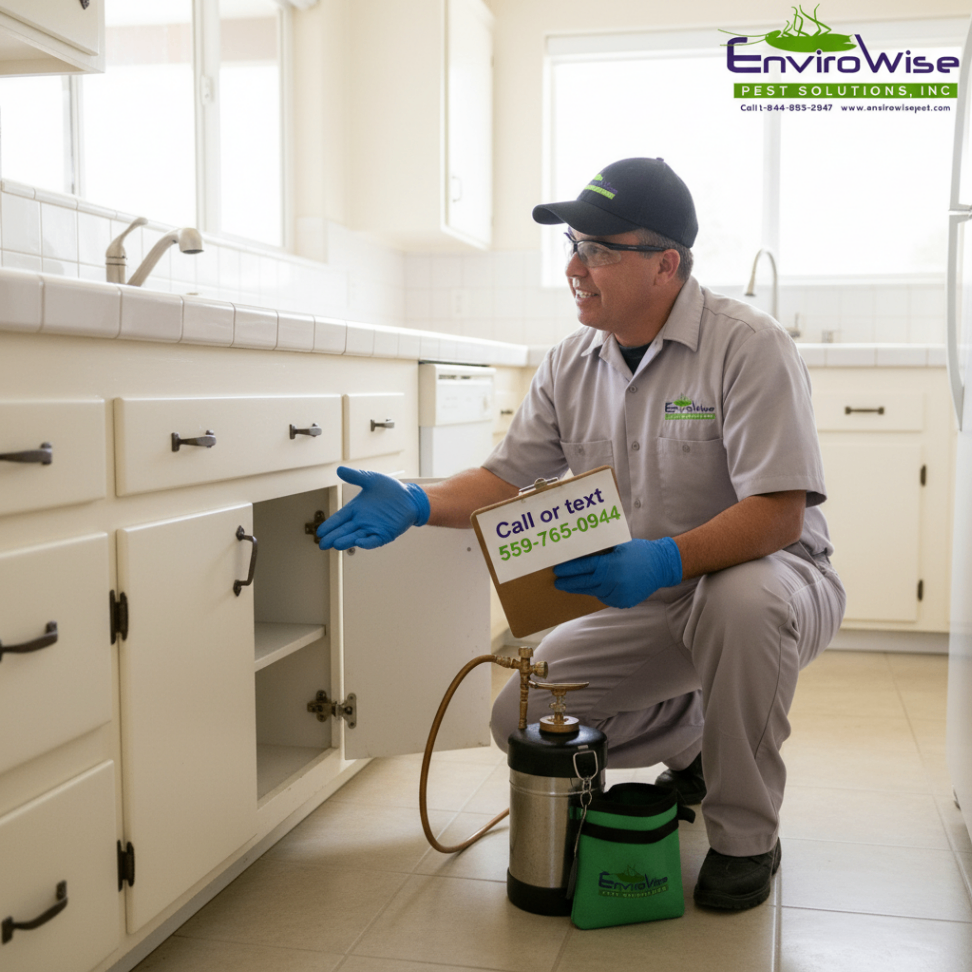
Because carpenter ants don't eat the wood, they have to put the "trash" somewhere. This leads to one of the most obvious signs of an infestation: frass.
Frass looks like small piles of fine sawdust. If you look closely, you might also see bits of insulation and even parts of dead insects mixed in. You’ll typically find these little piles under baseboards, inside cabinets, or near porch pillars.
Another sign? The sound. In a quiet house, you might actually hear a faint rustling sound coming from inside the walls. That is the sound of thousands of ants working away at their new home.
If you’re seeing large, black ants wandering around your kitchen at night, there’s a good chance they’ve set up shop somewhere nearby. You can learn more about these persistent pests on our ants page.
The Secretive Nature of Termite Damage
Termites are much more discreet than ants. They don't want to be found, and they don't leave sawdust behind because they’ve eaten it all.
One of the most common signs of subterranean termites is the presence of mud tubes. These are pencil-thin tunnels made of mud and saliva that run along your foundation or up your walls. Termites use these tubes to stay moist and protected from the air as they travel from their underground nests to the wood in your home.
Other signs of termites include:
- Hollow-sounding wood: If you tap on a beam and it sounds empty, you might have a problem.
- Blistered or peeling paint: Sometimes termite activity looks like water damage.
- Discarded wings: Often found near windowsills or doors after a "swarm."
Because they are so hard to spot, we highly recommend a professional termite control inspection if you have any doubts. Got Pests? Call the Best!
Why the "Eco-Friendly" Approach Matters
At EnviroWise, we don't believe in just spraying chemicals and hoping for the best. We use an environmentally conscious approach to handle both ants and termites.
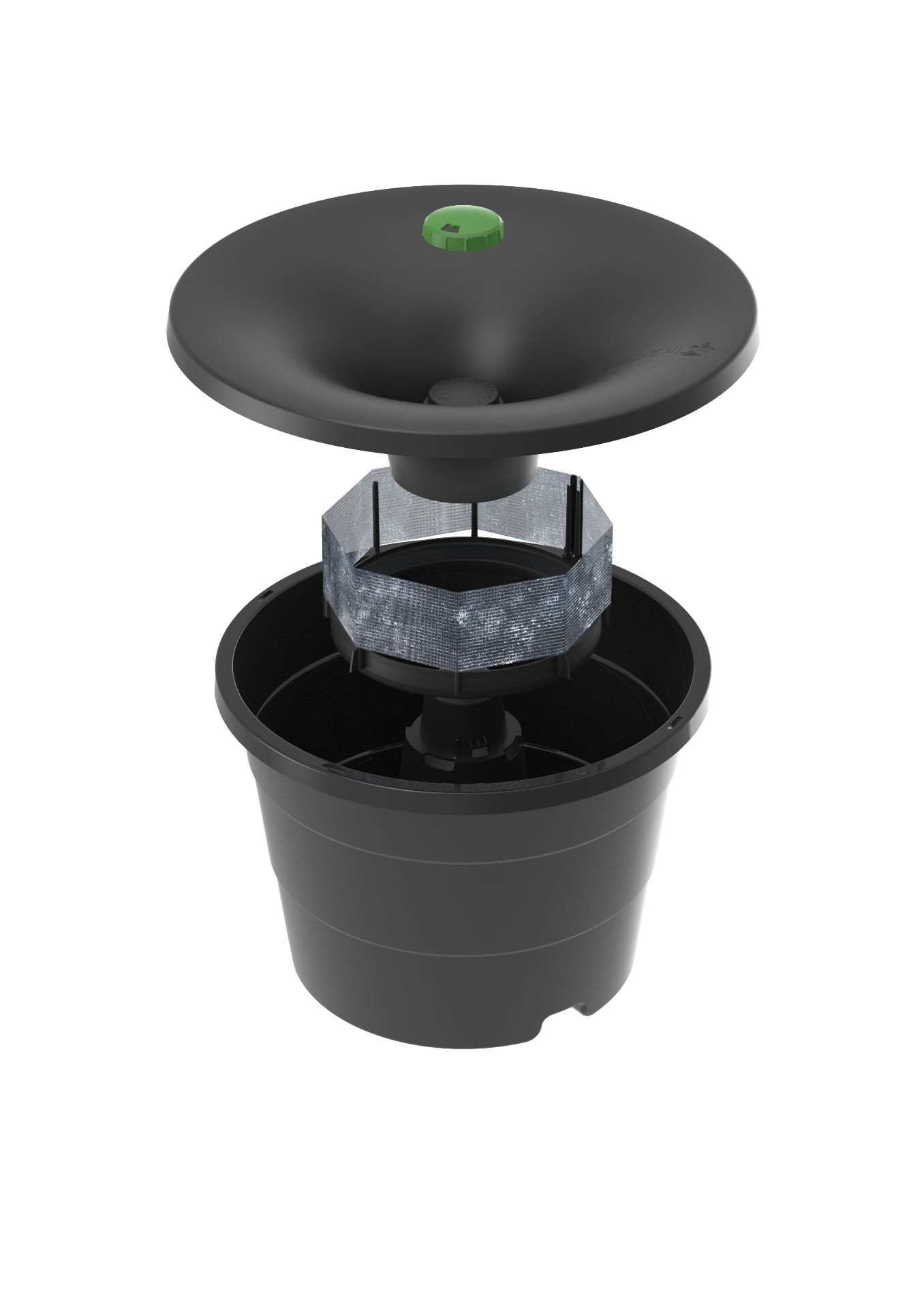
For termites, we often utilize advanced baiting systems. These systems are designed to be discreet and incredibly effective. Instead of pumping hundreds of gallons of liquid into the soil, we use targeted bait that the termites take back to their colony, eliminating the problem at the source without harming your garden or the surrounding ecosystem.
For carpenter ants, the key is finding the nest. Our technicians are trained to track ant activity back to the source, ensuring we treat the root of the problem rather than just the ants you see on your counter. Check us out at envirowisepest.com to see how our green methods make a difference.
"The best time to protect your home from wood-destroying organisms was when it was built. The second best time is right now." : The EnviroWise Team
Can You DIY a Wood-Destroying Pest Problem?
We get asked this a lot. While a can of spray from the big-box store might kill the few ants you see in your sink, it won't touch the thousands of ants living inside your walls. Even worse, some over-the-counter sprays can actually cause "budding," where an ant colony senses a threat and splits into multiple smaller colonies, making your problem ten times worse.
When it comes to termites, DIY is almost never a good idea. The equipment and specialized knowledge required to effectively treat a termite colony are simply not available to the average homeowner. Missing even a small part of the colony can lead to continued damage that costs thousands in the long run.
Prevention: Keeping the Wood-Borers Away
The best way to handle termites and carpenter ants is to make your home as unattractive to them as possible. Here are a few tips from the EnviroWise pros:
- Manage Moisture: Both pests love damp wood. Fix leaky pipes, ensure your gutters are clear, and keep crawl spaces well-ventilated.
- Clear the Perimeter: Keep mulch, firewood, and debris away from your home's foundation. This removes the "bridge" pests use to get inside.
- Seal the Gaps: Use caulk to seal cracks in your foundation and gaps around utility pipes.
- Trim the Trees: Ensure tree branches aren't touching your roof or siding, as these act as highways for carpenter ants.
Summary: What to Remember
If you find yourself staring at a suspicious bug or a pile of mystery dust, remember these key takeaways:
- Ants have pinched waists and bent antennae; termites have thick waists and straight antennae.
- Carpenter ants leave sawdust (frass); termites leave mud tubes or hollow wood.
- Carpenter ants are looking for a home; termites are looking for a meal.
- Both can cause serious structural damage if left unchecked.
Don't wait for the floorboards to start sagging. If you suspect you have an unwanted guest, reach out to the experts. We offer thorough inspections and customized plans to keep your home safe and sound.

Ready to clear the air (and your walls)? We are here to help.
Text or Call: 559-765-0944
Whether it's a minor ant trail or a major termite concern, EnviroWise has the expertise and the eco-friendly solutions to get the job done right.
Check us out at envirowisepest.com to learn more about our services or to schedule your inspection today. Remember, when it comes to your home’s safety: Got Pests? Call the Best!
