
Know Your Enemy: A Complete Guide to Cockroach Identification in California's Central Valley
If you’ve spotted a roach in your home, restaurant, or apartment complex, the clock is already ticking. Knowing exactly what you’re dealing with is the first step — and it changes everything about how you treat it.
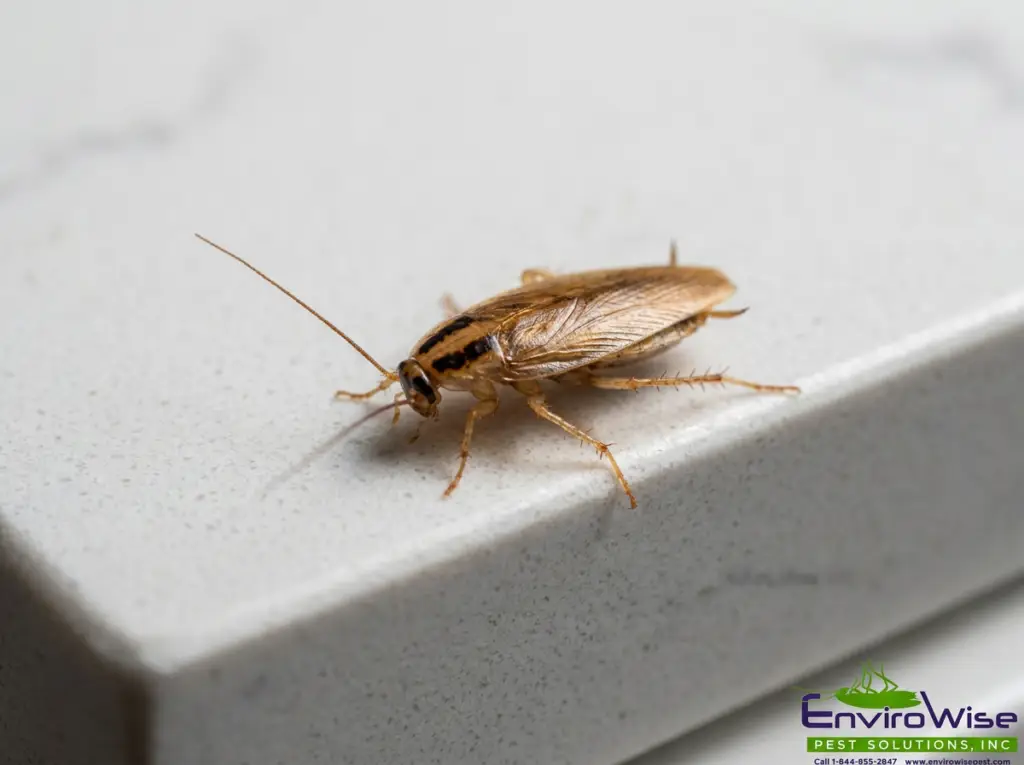
German Cockroach (Blattella germanica)
- Small, dark droppings resembling ground pepper or coffee grounds, concentrated in corners, under appliances, and along wall junctions
- Egg cases (oothecae) — small, tan, capsule-shaped casings approximately 1/4 inch long, often tucked in cracks near harborage areas
- A musty, oily odor that intensifies with heavy infestations
- Live or dead roaches visible during daylight hours (a strong indicator the population has grown large enough to push some out of hiding)
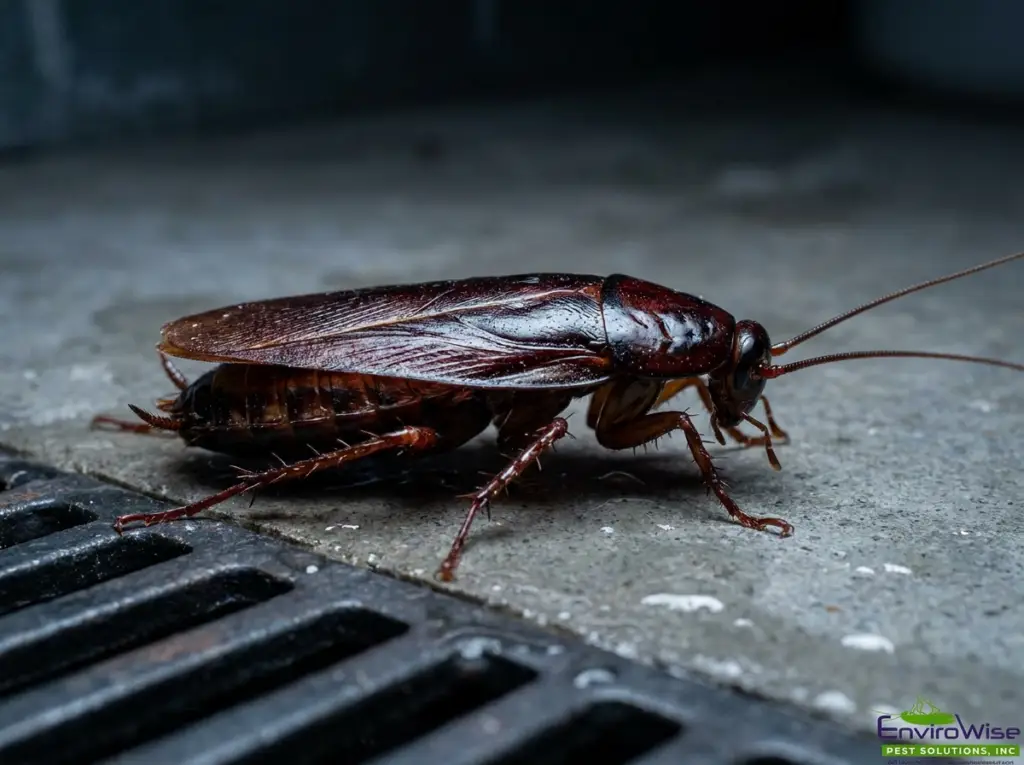
Oriental Cockroach (Blatta orientalis)
- A strong, musty, unpleasant odor that many describe as distinct from German roach infestations
- Droppings similar in appearance to American cockroach frass but smaller
- Egg cases (dark reddish-brown, approximately 3/8 inch long) in sheltered, damp locations
- Sightings near drains, on patio or foundation perimeters, or in basements and crawlspaces
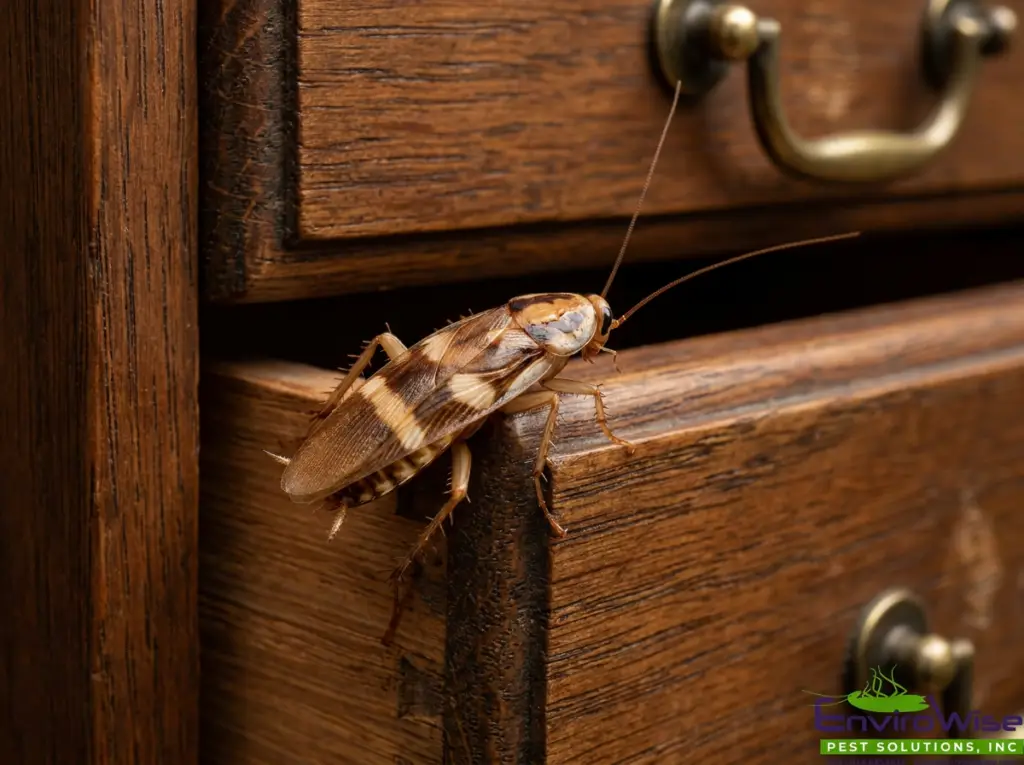
Brown-Banded Cockroach (Supella longipalpa)
- Droppings scattered throughout the structure, not concentrated near food preparation areas
- Egg cases (small, reddish-brown, with irregular ridging) glued to undersides of furniture, behind wall hangings, or inside electronics
- Sightings throughout the home at night, including in bedrooms and living areas — not just kitchen or bathroom
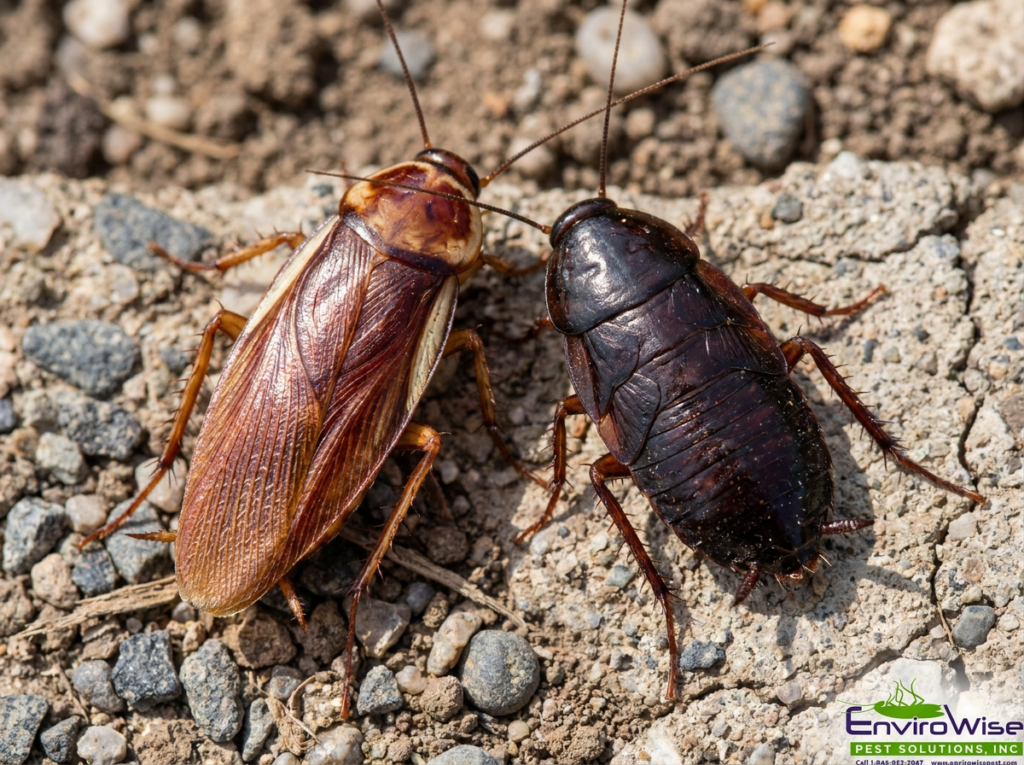
Turkestan Cockroach (Blatta lateralis)
- Large numbers of roaches visible at night around exterior lights (they are attracted to light, unlike many other species)
- Roach activity in irrigation valve boxes, utility meter boxes, and compost areas
- Entry of individual roaches into homes through exterior gaps, particularly on warm evenings
- Egg cases deposited in soil and organic material around the foundation
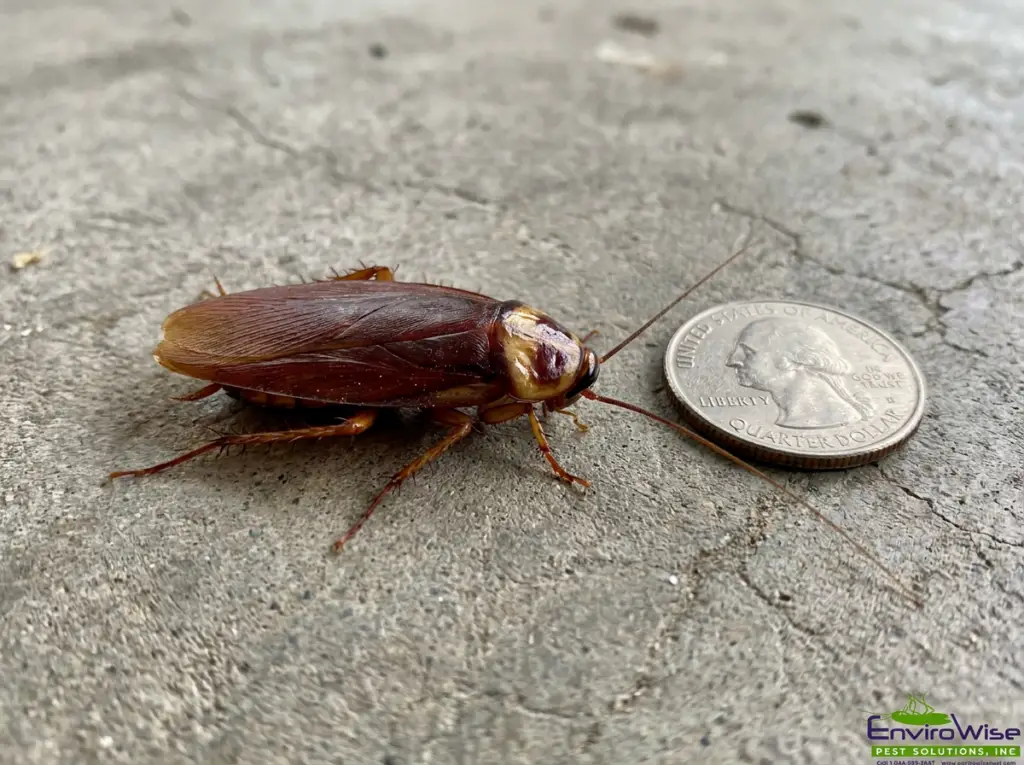
American Cockroach (Periplaneta americana)
- Large droppings with ridged sides and blunt ends (distinguishable from German roach frass by size)
- Shed skins throughout the year as nymphs molt
- Egg cases (dark reddish-brown, about 3/8 inch long) deposited in moist, dark areas
- Sightings of large roaches at night, often near drains or damp areas
Are you ready to solve this now?
If you've spotted a roach in your home, restaurant, or apartment complex, the clock is already ticking. Knowing exactly what you're dealing with is the first step — and it changes everything about how you treat it.
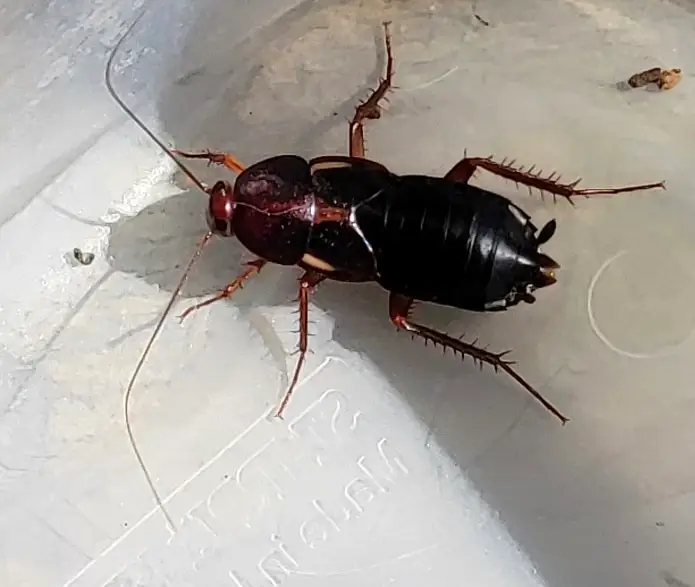
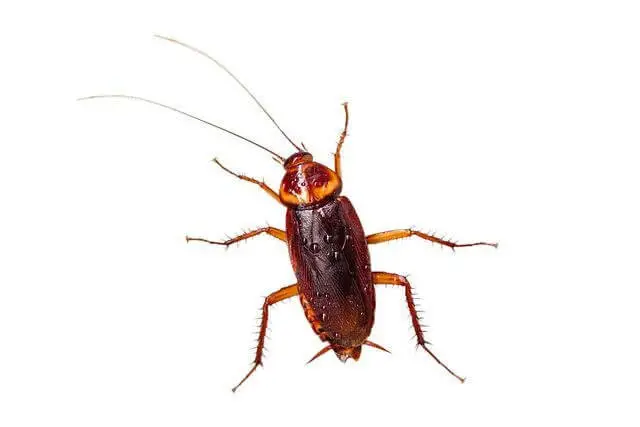
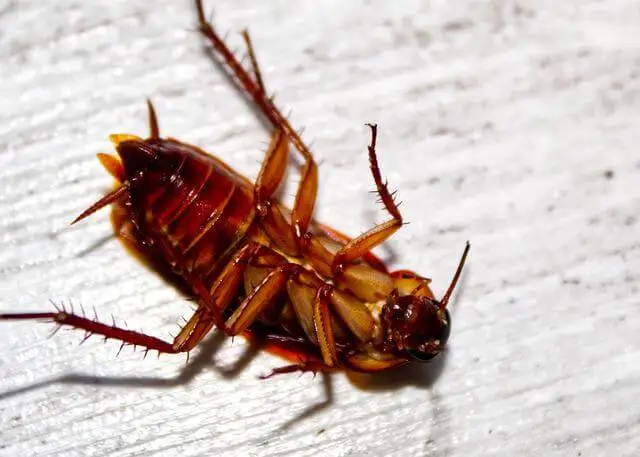

Five Disgusting Facts about Cockroaches
If you’ve noticed cockroaches in your house or business, don’t wait to take action. Click Here to Make an appointment with Envirowise Pest Solutions to have a cockroach treatment technicians out to your property as soon as possible.
Cockroaches are disgusting to most people, even if they don’t know anything about them. However, there are some facts about these common household pests that will make your skin crawl. Here are the top five most revolting cockroach facts.
1. Cockroaches can breathe without using their mouth.
These pests, like all insects, breathe through tracheae, which are tubes linked to the insect’s spiracles. The spiracle is a tiny holes on the cockroach’s body on both sides. Because these spiracles are separate from the mouth and windpipe, the cockroach can breathe without them.
2. Cockroaches, among other things, can worsen asthma.
This is an important reason to use cockroach pest control measures. Cockroaches can carry 33 different bacteria, six different parasitic worms, and seven different diseases. They can also trigger other allergic reactions, such as hives.
3. Throughout history tea has been made from cockroaches.
Cockroaches are revered in various cultures for their nutritional benefits. Ground or boiled cockroaches were used as a medicinal remedy by the Greeks and Egyptians, and boiled cockroach tea was utilized as a medicinal medicine by various tribes.
4. Cockroaches eat a variety of foods. Cockroaches that dwell near humans prefer starchy foods (such as cereals) as well as sweet foods. Beer, cheese, wallpaper, and postage stamps, among other things, are all edible to them. Cockroaches can also consume pet fur. They are attracted to foods that are heavy in protein or wet. The American cockroach has been observed feeding on sleeping children’s toenails, hair, eyebrows and even eyelashes.
5. Killing a cockroach infestation on your own is nearly impossible.
Cockroaches may survive for up to 45 minutes without air and they can go more than a month without eating. Also roaches can live for up to a week without its head.
And one bonus fact… Every year hundreds of people visit emergency rooms in the dead of night because they wake up with a roach in their ear.
At Envirowise Pest Solutions, we have the right treatments to take care of the infestation so you can get back to living pest free.