WHY FLIES ARE A SERIOUS PROBLEM
Flies Are More Than a Nuisance — They’re a Health Threat
Picture this: it’s Saturday morning, and you notice a few flies buzzing around your kitchen. You swat them, wipe down the counters, move on. But by Tuesday, there are dozens. By the weekend, you’re finding them near your drains, around your fruit bowl, and in places you can’t quite explain.
Here’s the kicker — by the time you see that many flies, the infestation is already well established. Flies reproduce fast. A single house fly can produce up to 500 offspring in a month. And they don’t need much — a forgotten drain, a small crack in a sewer line, a compost bin left too close to a door.
For restaurant owners and property managers, the stakes are even higher. A visible fly during a health inspection can result in point deductions or violations. A single social media photo of a fly on a customer’s plate can damage your reputation faster than any marketing can fix it. Flies are a compliance risk, a liability, and a signal that something deeper is going on.
Why DIY usually fails:
Most over-the-counter fly sprays and traps treat the symptom — not the source. They kill the flies you can see right now. But if you haven’t eliminated the breeding site, you’ll have more flies tomorrow. And the day after that.
Effective fly control starts with identifying the species, tracing it to its source, and eliminating that source. That’s not something a strip of flypaper can do.
Know Your Fly: Central Valley Species Guide
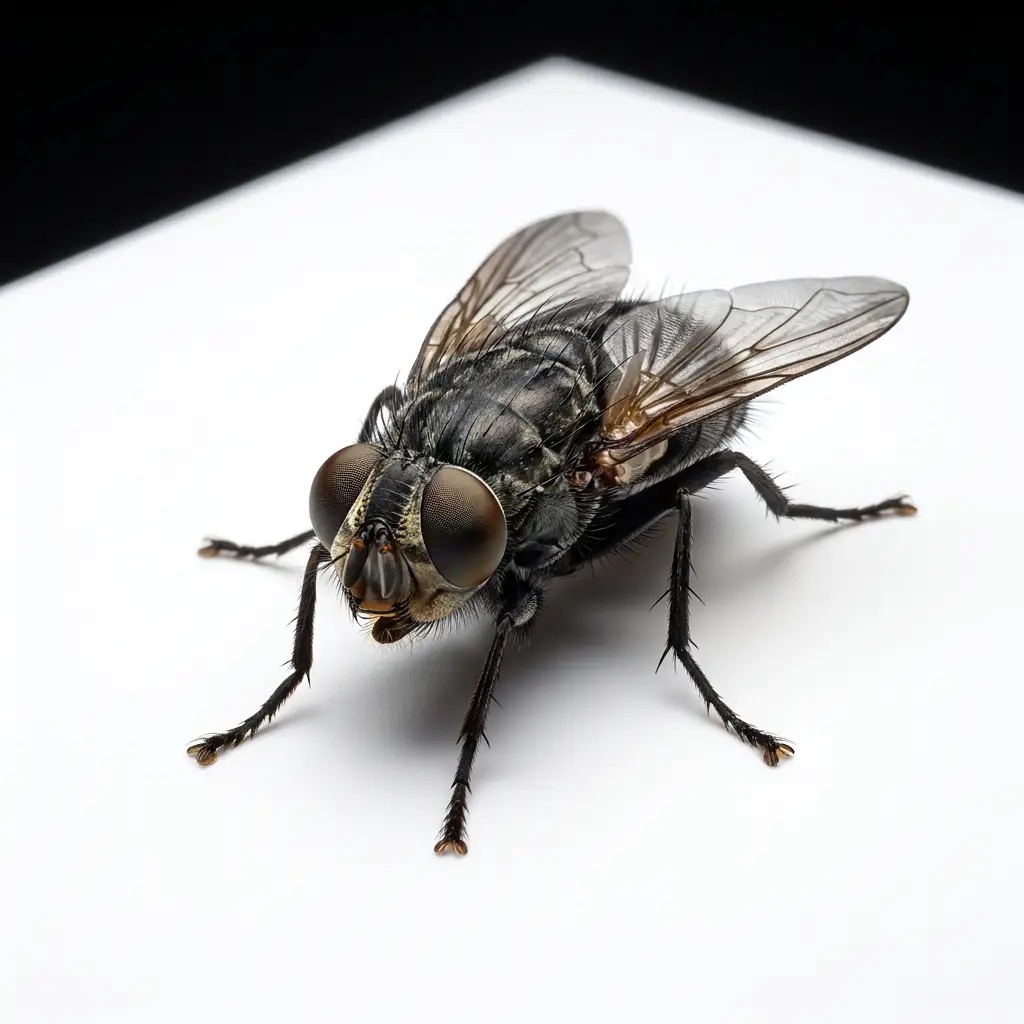
House Fly (Musca domestica)Most common in: Homes, restaurants, food processing facilities, dumpster areas
The house fly is the one most people recognize. It feeds on organic waste — garbage, decaying food, animal feces — and contaminates every surface it lands on. House flies regurgitate digestive fluid and defecate constantly while feeding. They carry over 100 known pathogens, including Salmonella and E. coli.
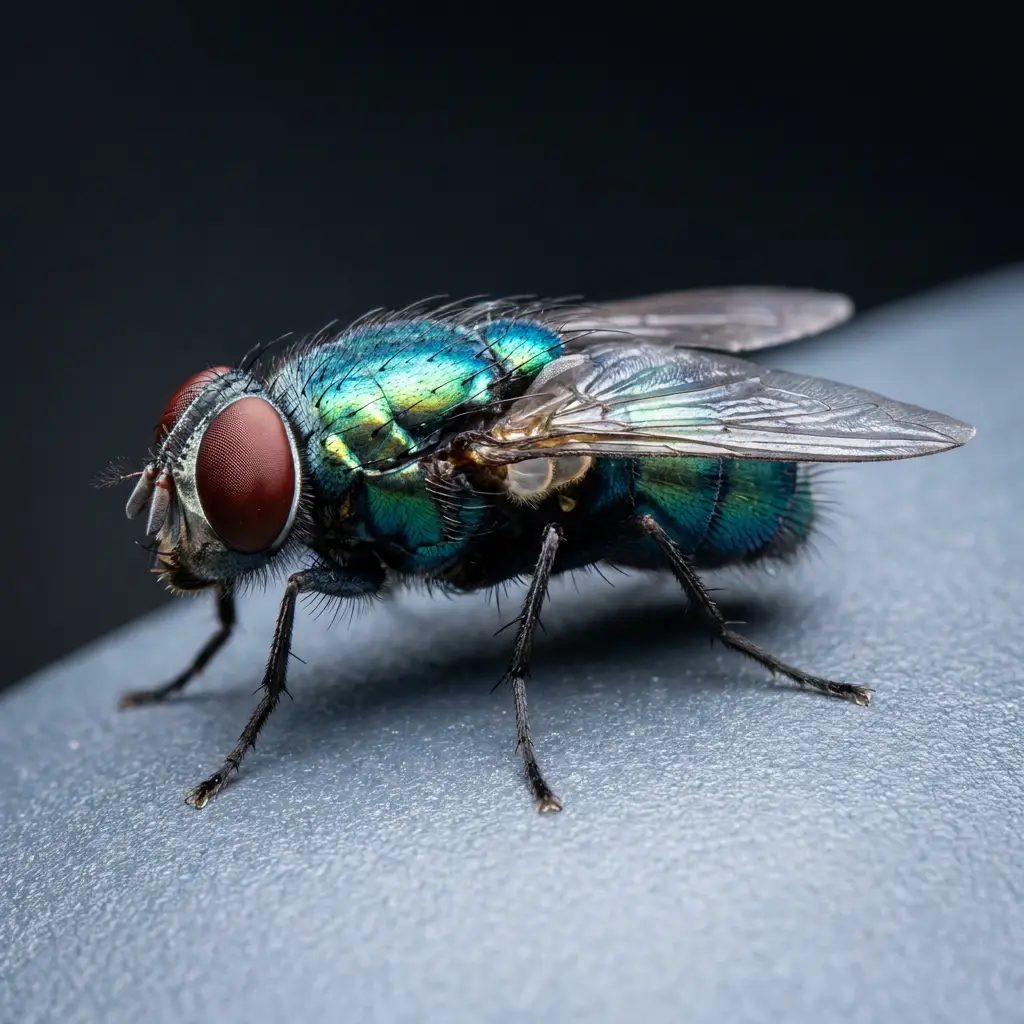
Blow Fly / Bottle Fly (Calliphoridae family)Most common in: Homes with dead rodents or animals, attics, wall voids, exterior waste areas.
If you suddenly notice large, metallic-green or blue flies appearing inside your home, a dead rodent or animal is almost certainly nearby — possibly inside a wall or attic. Blow flies are primary decomposers and are highly attracted to decaying flesh. Their sudden indoor appearance is a reliable indicator of a hidden carcass.
Green Bottle Fly (Lucilia sericata)Most common in: Homes, farms, outdoor waste areas, any environment near animal remains or waste.
Similar to blow flies, green bottle flies are strong indicators of decaying organic material nearby. Outdoors, they congregate around animal waste, carcasses, and poorly managed compost. When found indoors in significant numbers, they warrant the same investigation as blow flies — a hidden animal, a plumbing leak, or a sanitation issue.
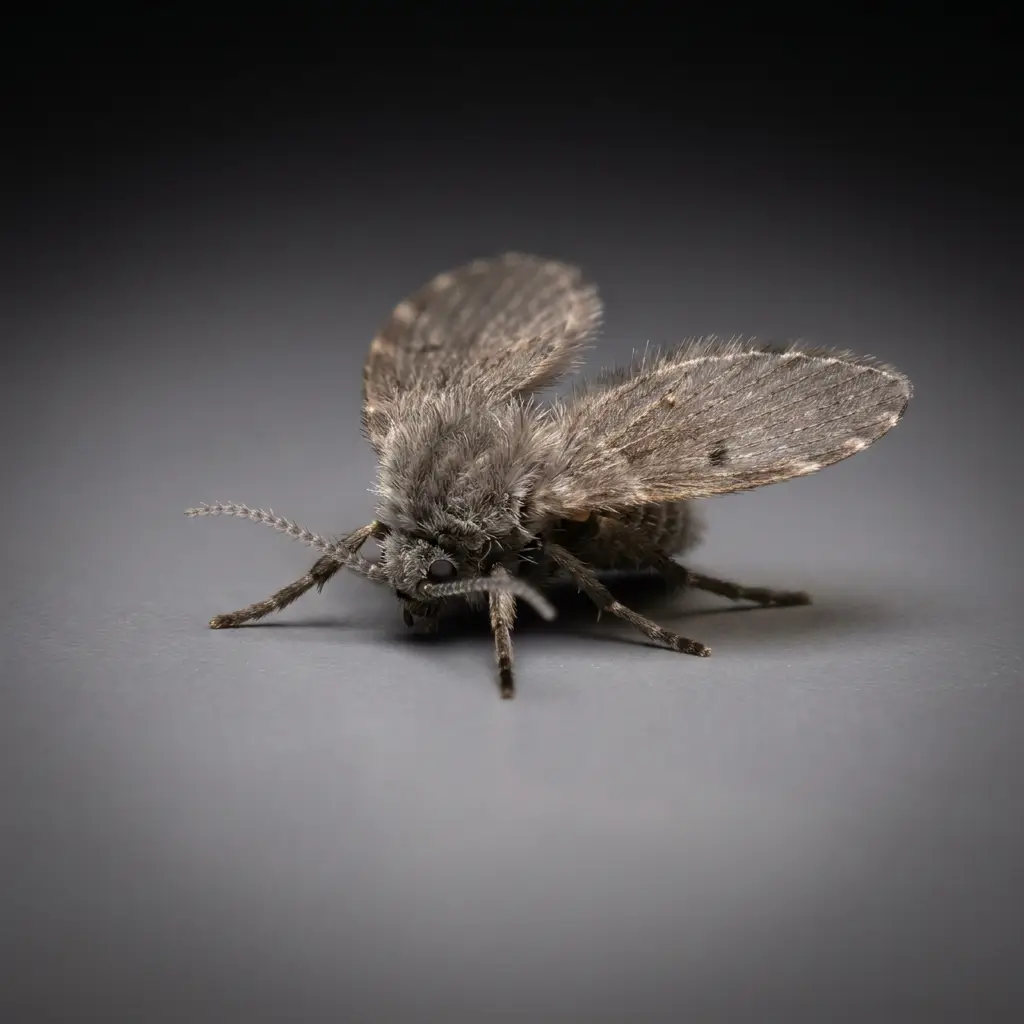
Drain Fly (Psychodidae family)Most common in: Restaurant kitchens, bars, commercial restrooms, apartment floor drains
Drain flies are small, fuzzy, and moth-like. They breed in the organic sludge that builds up inside floor drains, under floor mats, and in the biofilm lining sewer pipes. They’re a fixture in restaurant kitchens and commercial bathrooms that aren’t cleaned and treated regularly. A single neglected drain can produce hundreds of drain flies per week.
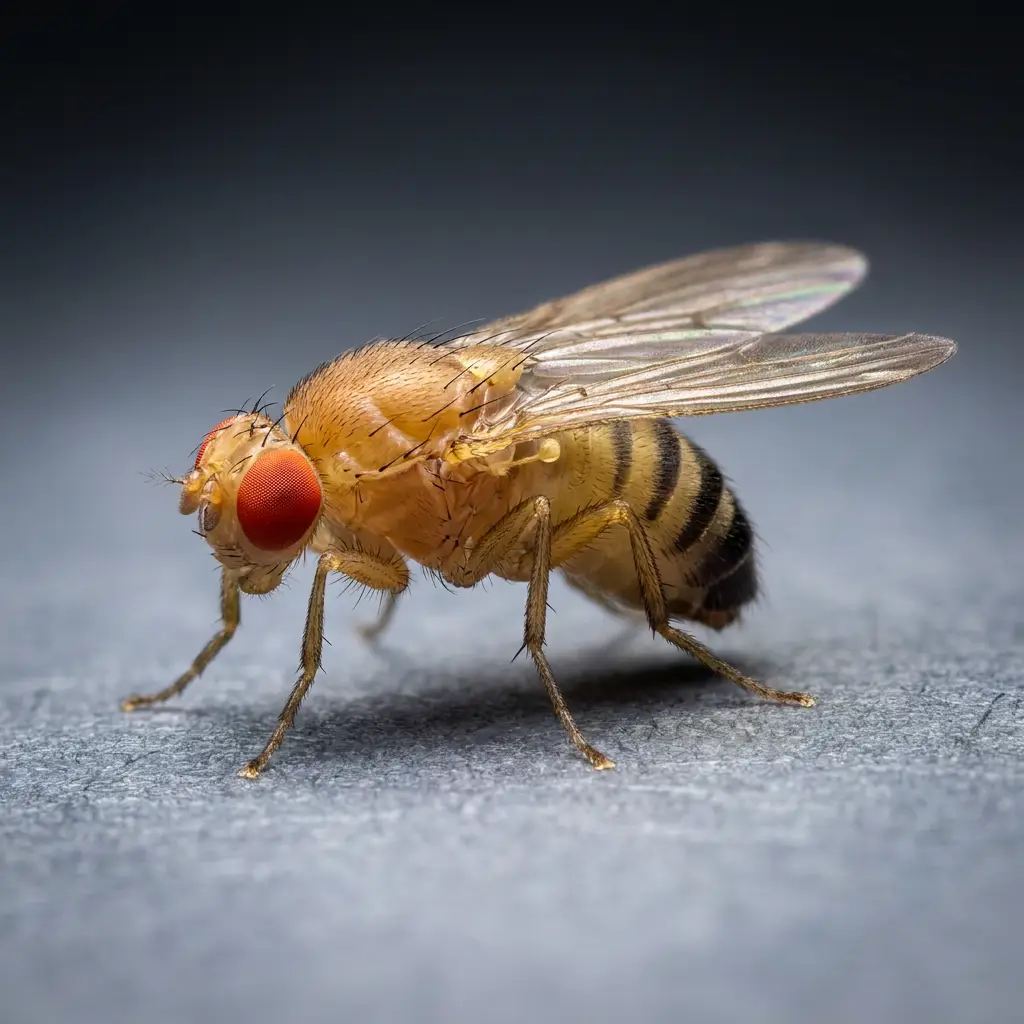
Fruit Fly (Drosophila melanogaster)Most common in: Restaurants, bars, grocery stores, homes with overripe produce
Fruit flies are drawn to fermenting sugars — overripe fruit, spilled juice, wine residue in bottle recycling, and the buildup inside bar drains. They reproduce rapidly and are notoriously difficult to control without eliminating every fermentation source. In restaurants and bars, they’re a persistent compliance problem that worsens with warm weather.
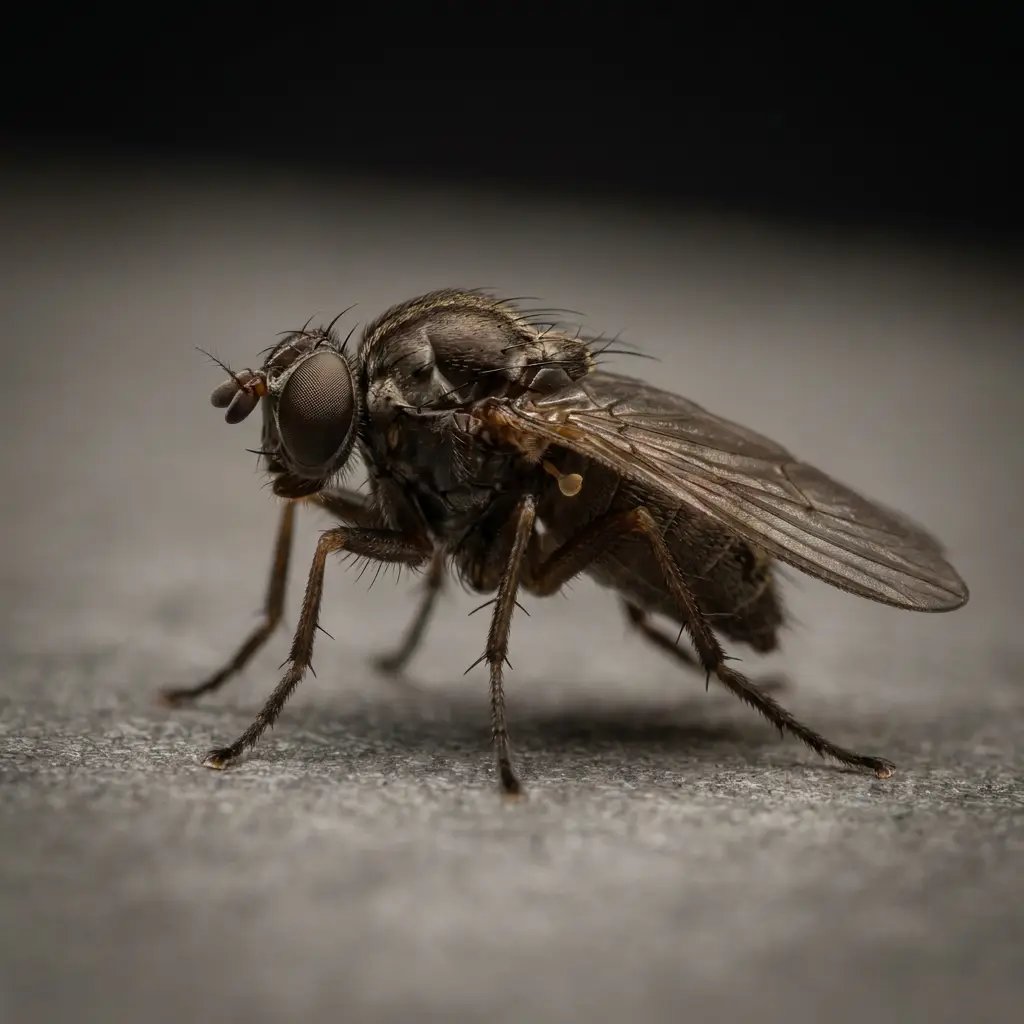
Phorid Fly (Phoridae family)Most common in: Restaurants, healthcare facilities, buildings with plumbing leaks or drain breaks
Phorid flies — sometimes called humpbacked flies — are a serious concern because they often indicate a broken sewer line or septic issue beneath a building’s slab or foundation. They can also breed in decaying organic matter deep in drains, behind walls, or under slabs. Because their breeding site is often hidden and hard to reach, phorid fly infestations frequently require professional inspection to resolve.
OUR FLY CONTROL APPROACH
How EnviroWise Controls Flies — and Keeps Them Gone
We don’t show up with a spray can and call it done. Fly control is a process — and we follow every step, every time.
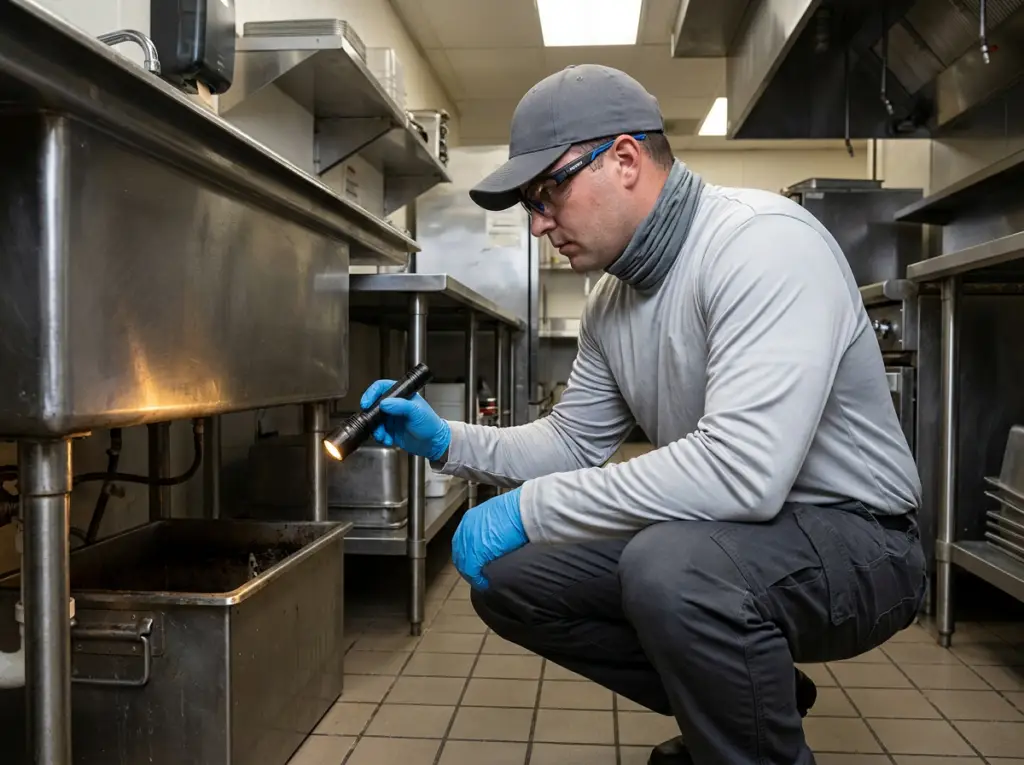
Step 1 — Thorough Inspection
Every fly service starts with a detailed walkthrough of your property. We look for the places flies breed, not just where they gather. That means checking floor drains, garbage areas, exterior perimeters, wall voids, attic spaces, and anywhere organic material can accumulate undetected. We identify harborage points and feeding sites before we treat anything.
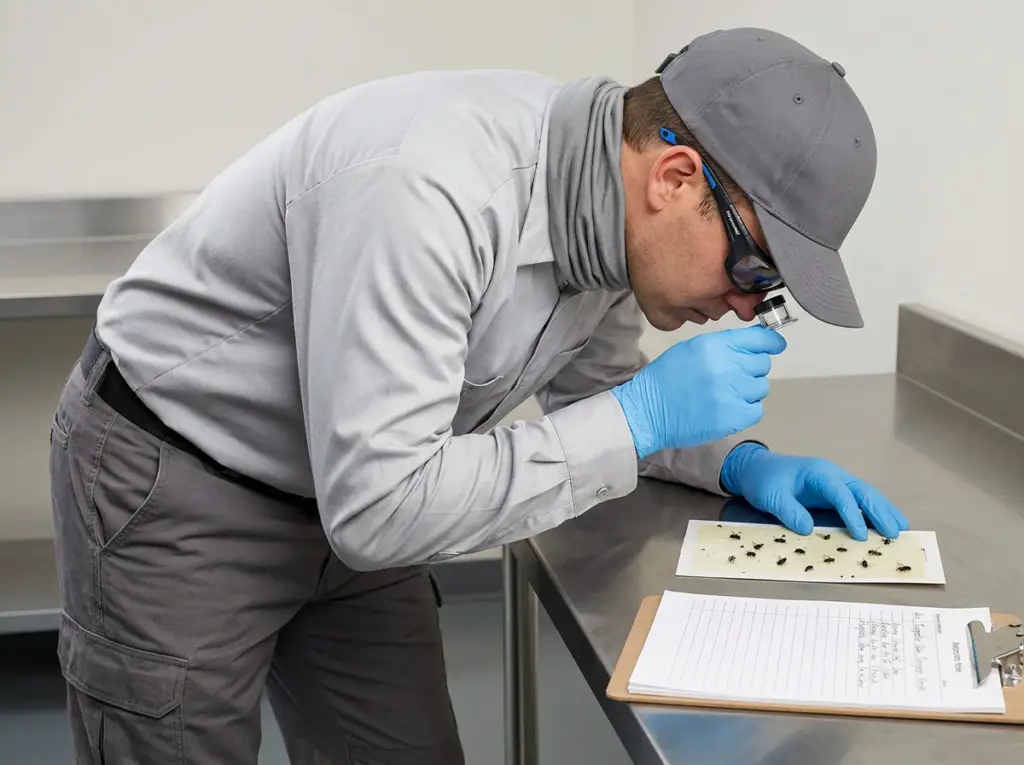
Step 2 — Species Identification
The treatment depends entirely on the fly. Drain flies require drain cleaning and biofilm treatment. Phorid flies may point to a plumbing issue that needs to be addressed first. Blow flies tell us to look for a carcass. We identify the exact species — or species mix — before recommending a course of action.
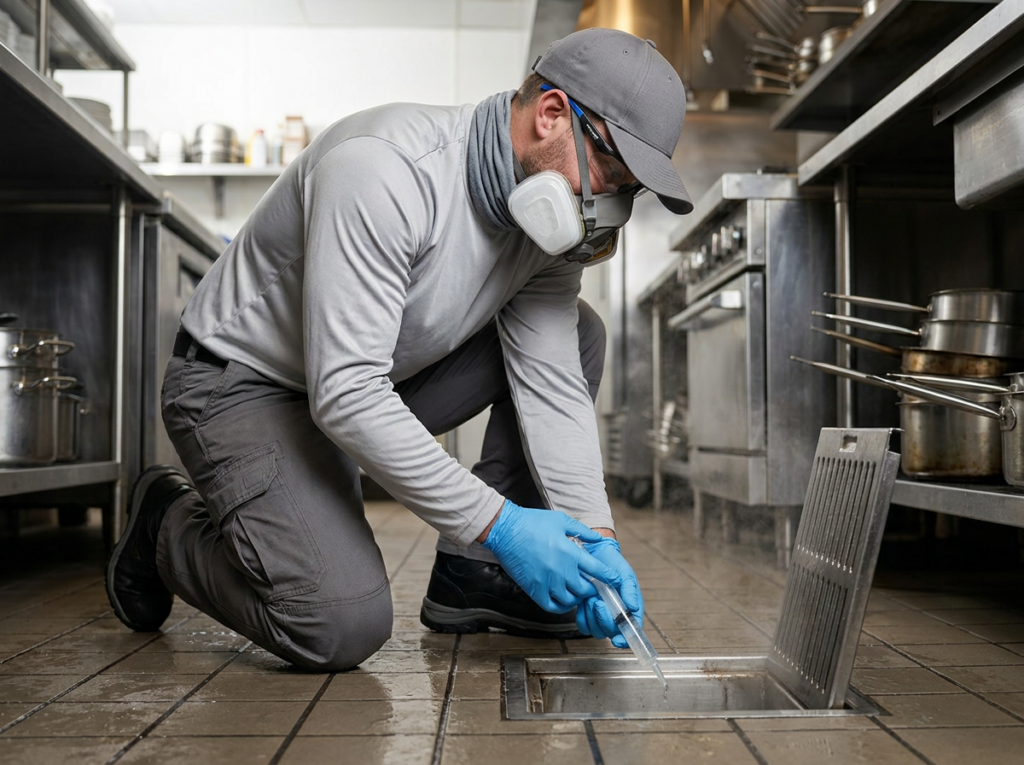
Step 3 — Source Elimination
This is where most DIY approaches fail. We locate and eliminate the breeding source: removing or treating decaying organic matter, cleaning and treating floor drains, recommending plumbing repairs when necessary, and addressing sanitation gaps that are allowing the problem to persist.
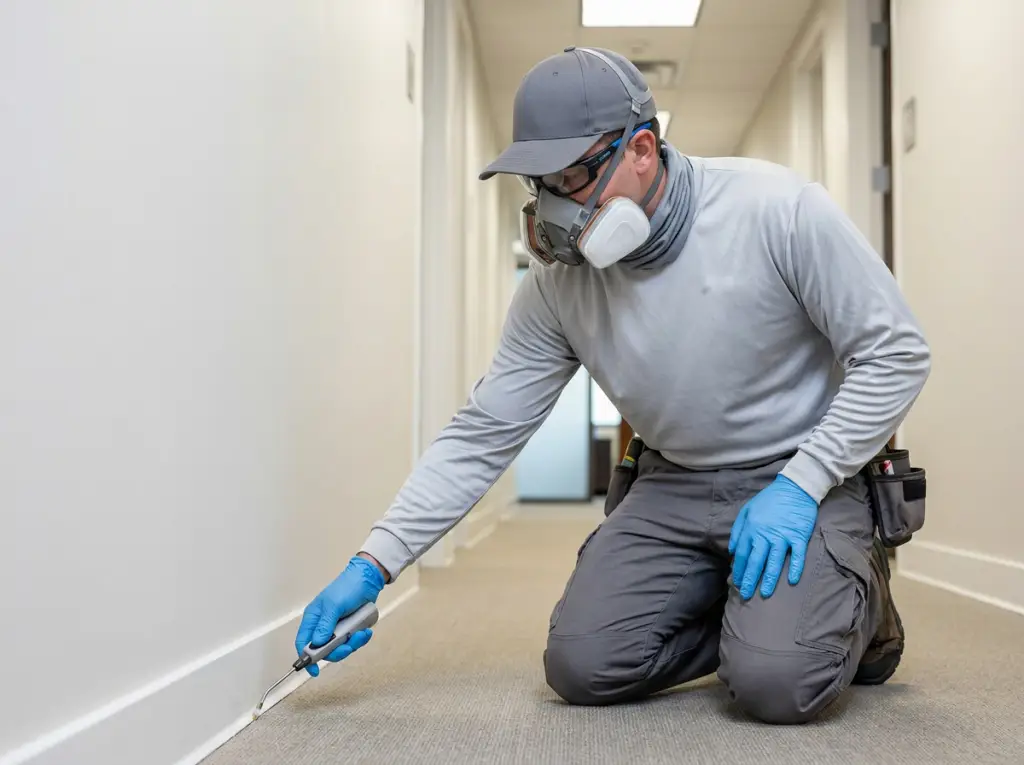
Step 4 — Targeted, Low-Risk Treatment
Where treatment materials are warranted, we use the lowest-risk options available — products and methods selected for their effectiveness against the specific species, with minimal impact on people, pets, and non-target organisms. We are Purdue University IPM-certified and California-licensed (PR 9106). We don’t default to heavy chemical treatments when targeted, low-risk solutions will do the job.
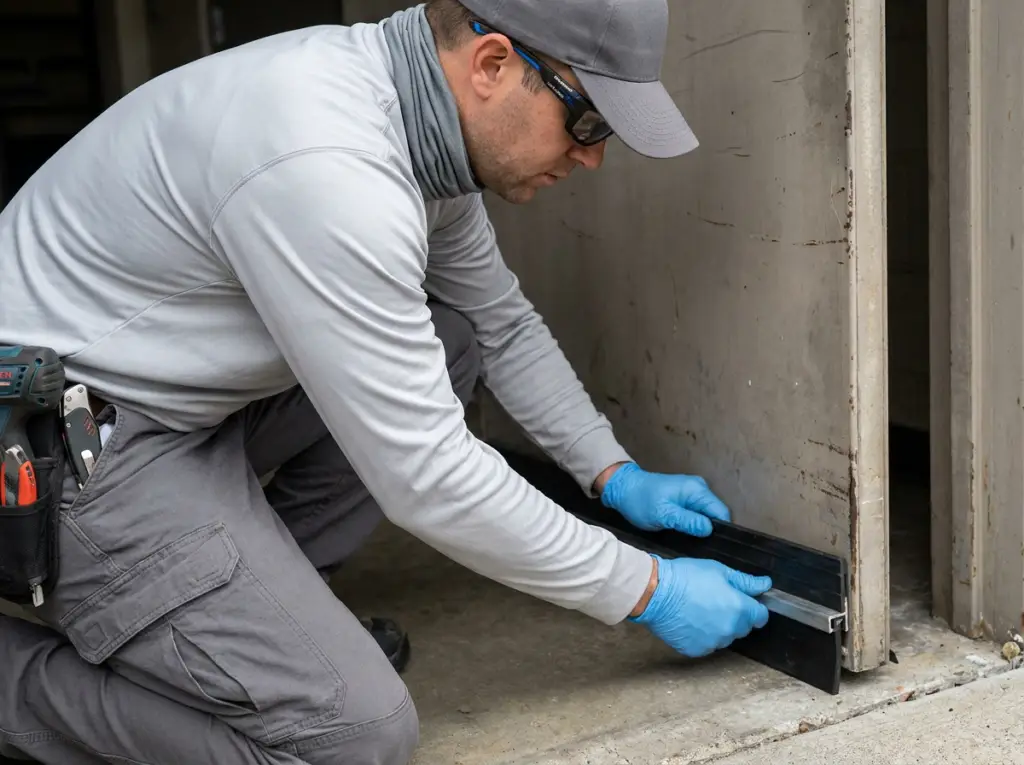
Step 5 — Exclusion
We identify and address the entry points flies are using to get inside — door gaps, drain covers, window screens, ventilation openings. Keeping flies out is just as important as eliminating the ones already present.
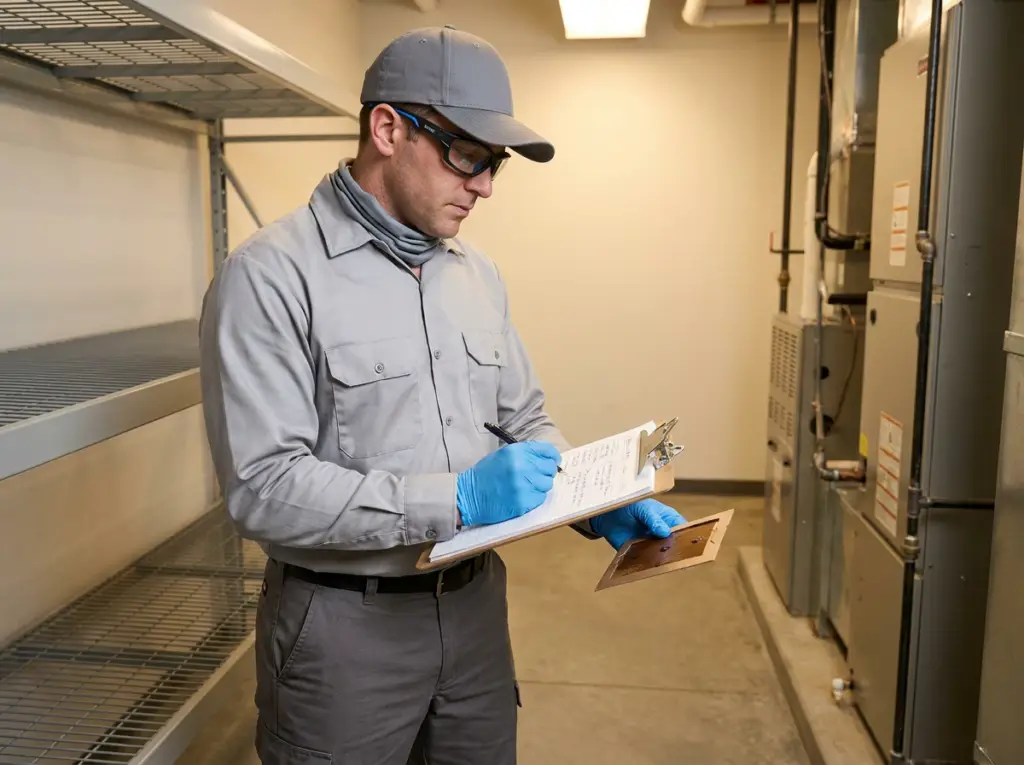
Step 6 — Monitoring and Follow-Up
We don’t disappear after treatment. Monitoring devices and follow-up visits confirm the infestation is gone and alert us early if activity resumes. For commercial clients, we provide detailed service documentation after every visit — pest findings, materials used, actions taken — supporting your compliance records.
WHO WE HELP
We Serve Homeowners, Property Managers, and Food Service Businesses Across the Central Valley

Property Managers and Multi-Unit Housing
Flies in one unit can signal a problem that affects the whole property. A neglected drain in a ground-floor unit, a pest issue in a shared trash enclosure, a dead rodent in a wall cavity — these are building-wide problems that need a coordinated response, not a can of spray from the hardware store.
EnviroWise works with property managers across the Central Valley to provide consistent, documented fly control for multi-unit residential and commercial properties. We coordinate tenant access, provide compliance documentation, and help you stay ahead of issues before they become complaints.

Homeowners
Flies in your home feel personal — because they are. They’re in your kitchen, near your food, around your family. And when you can’t figure out where they’re coming from, it’s genuinely unsettling.
We bring nearly 50 years of experience to residential fly problems, whether it’s a straightforward house fly situation or something more puzzling — drain flies you can’t get rid of, mysterious blow flies appearing from nowhere, or a fruit fly problem that won’t quit no matter what you try. We find the source, fix it, and follow up to make sure it stays gone.

Restaurants and Food Service
In a restaurant kitchen, flies are not just a nuisance — they’re a health code violation waiting to happen. Drain flies in your floor drains, fruit flies at your bar, house flies near your prep surfaces: each one represents a risk to your customers, your staff, and your license to operate.
We specialize in fly control for commercial kitchens and food service environments. We understand California’s health code requirements, we document every service visit, and we work around your schedule so inspections and peak service hours aren’t disrupted. When you need to show a health inspector that you have a professional pest management program in place, we give you the documentation to prove it.
Flies Have a Source. We Find It.
Don't keep spraying and hoping. If flies are a persistent problem in your home, restaurant, or property — there's a reason. Let us find it.
Nearly 50 years of Central Valley experience. Purdue IPM-certified. Owner-operated. Money-back guaranteed.