Look, we all know the feeling. One minute you’re enjoying a beautiful California evening on the patio, and the next minute you’re being dive-bombed by mosquitoes like you’re the buffet at an all-you-can-eat restaurant. But here’s the thing most people don’t realize: by the time you’re swatting away those bloodthirsty pests in May or June, you’ve already lost the war.
The secret to actually winning the mosquito battle? Starting your defense in March, before you even see a single mosquito.
Why March? Isn’t That Too Early?
Nope. In fact, March is actually the perfect time to launch your mosquito control strategy in California, especially if you’re using In2Care mosquito stations. Think of it like planting a garden, you don’t wait until summer to put seeds in the ground if you want tomatoes in July, right? Same concept here.
California’s mosquito season typically kicks into high gear between April and October, with peak annoyance levels hitting in the summer months. But mosquitoes don’t just magically appear when the weather gets warm. They’re sneaky little planners, and they start breeding the moment conditions are favorable, which in our lovely California climate can be as early as late winter.
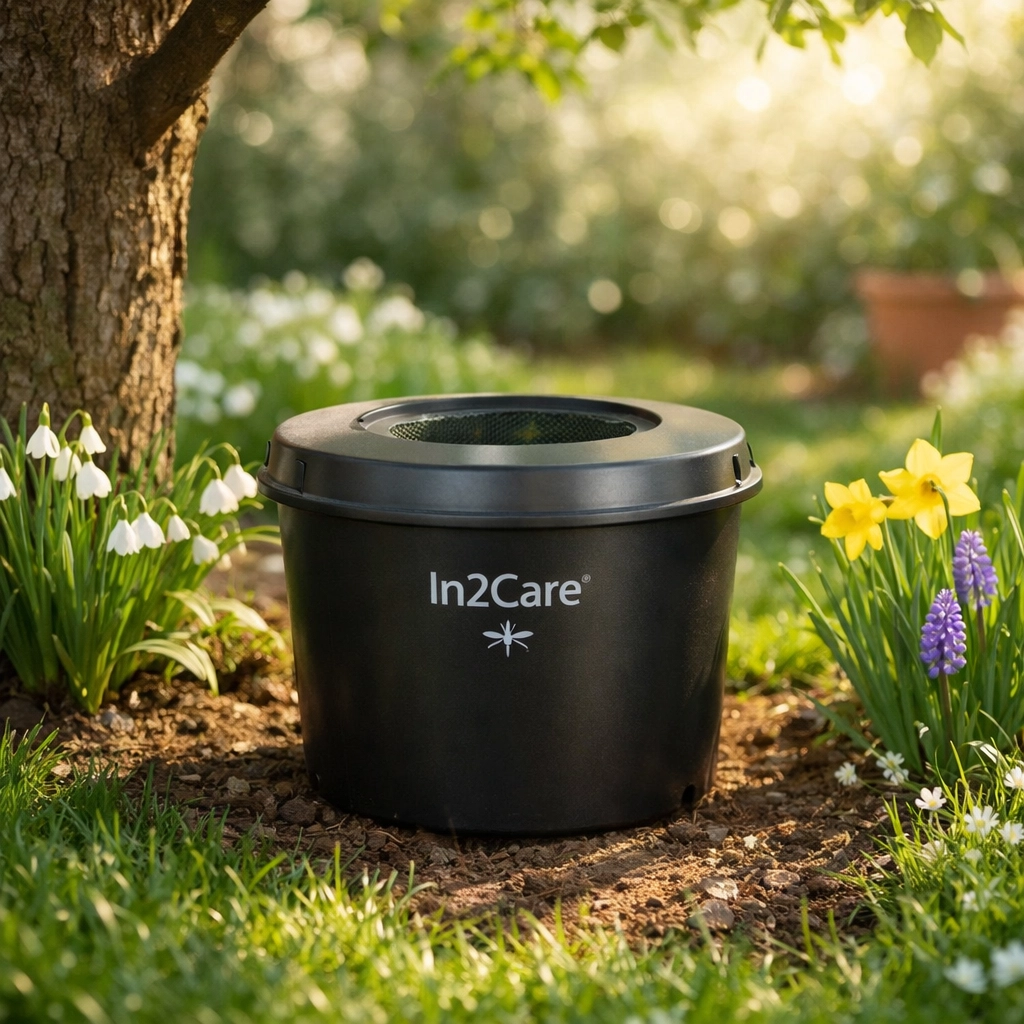
By deploying In2Care stations in March, you’re getting ahead of the breeding cycle. You’re not reacting to the problem; you’re preventing it from becoming a problem in the first place.
The Science Behind the Timing
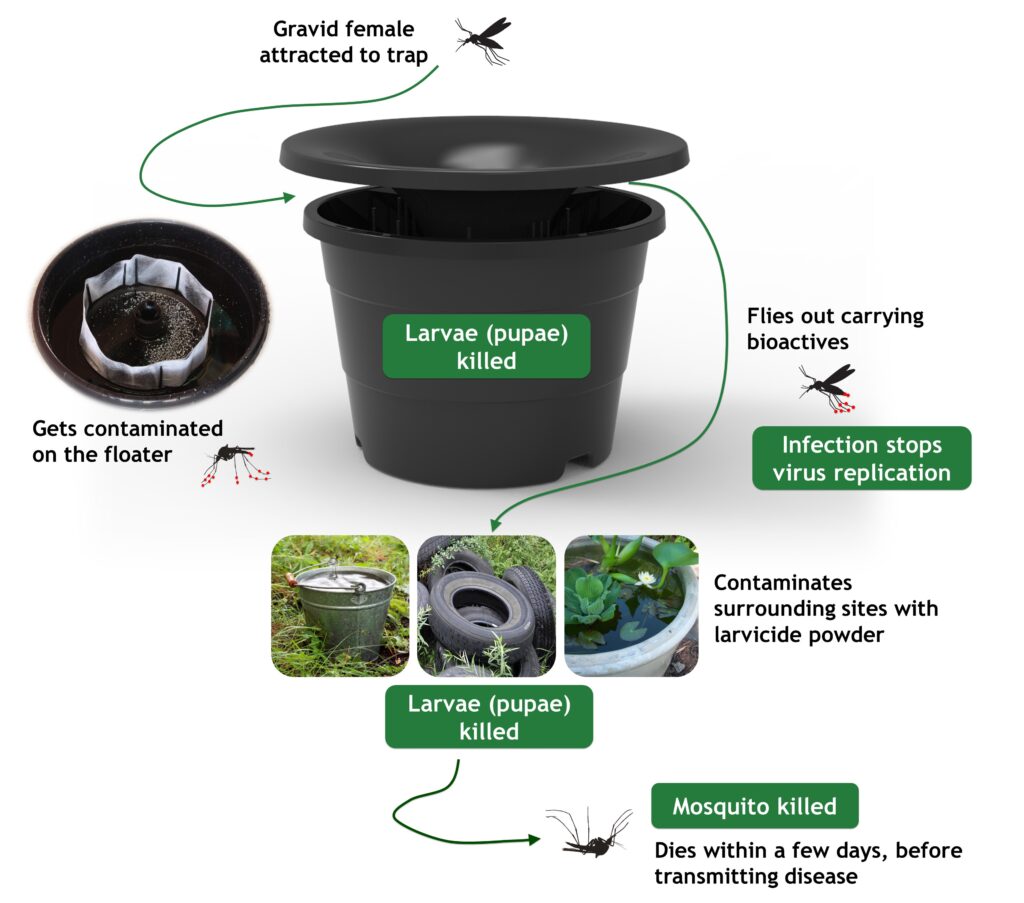
Here’s where In2Care gets really interesting. Unlike traditional mosquito control methods that just kill adult mosquitoes on contact, In2Care uses a clever autodissemination approach. Female mosquitoes are attracted to the stations (they think it’s a great place to lay eggs, spoiler alert: it’s not), pick up a special fungus and larvicide, and then spread it to other breeding sites around your property.
But here’s the catch: this process takes time to build momentum.
Research shows that In2Care stations need approximately three to four weeks to reach their full effectiveness. During that initial period, the contaminated mosquitoes are doing their thing, visiting multiple breeding sites, spreading the larvicide, and basically becoming tiny, unknowing agents of their own population’s destruction.
When you start in March, you give the system that critical ramp-up period. By the time mosquito populations start to explode in late spring and early summer, your In2Care stations are already operating at full capacity, interrupting breeding cycles before they can spiral out of control.
Wait until May to start, and you’re playing catch-up all season long.
The Dual-Action Advantage
One of the coolest things about In2Care is its two-pronged approach to mosquito control. The stations target both adult mosquitoes and larvae simultaneously:
- Adult Control: Mosquitoes that enter the station are exposed to a fungus that kills them within a few days (after they’ve spread the larvicide, of course)
- Larvae Control: The larvicide prevents larvae from developing into biting adults across multiple breeding sites, not just the station itself
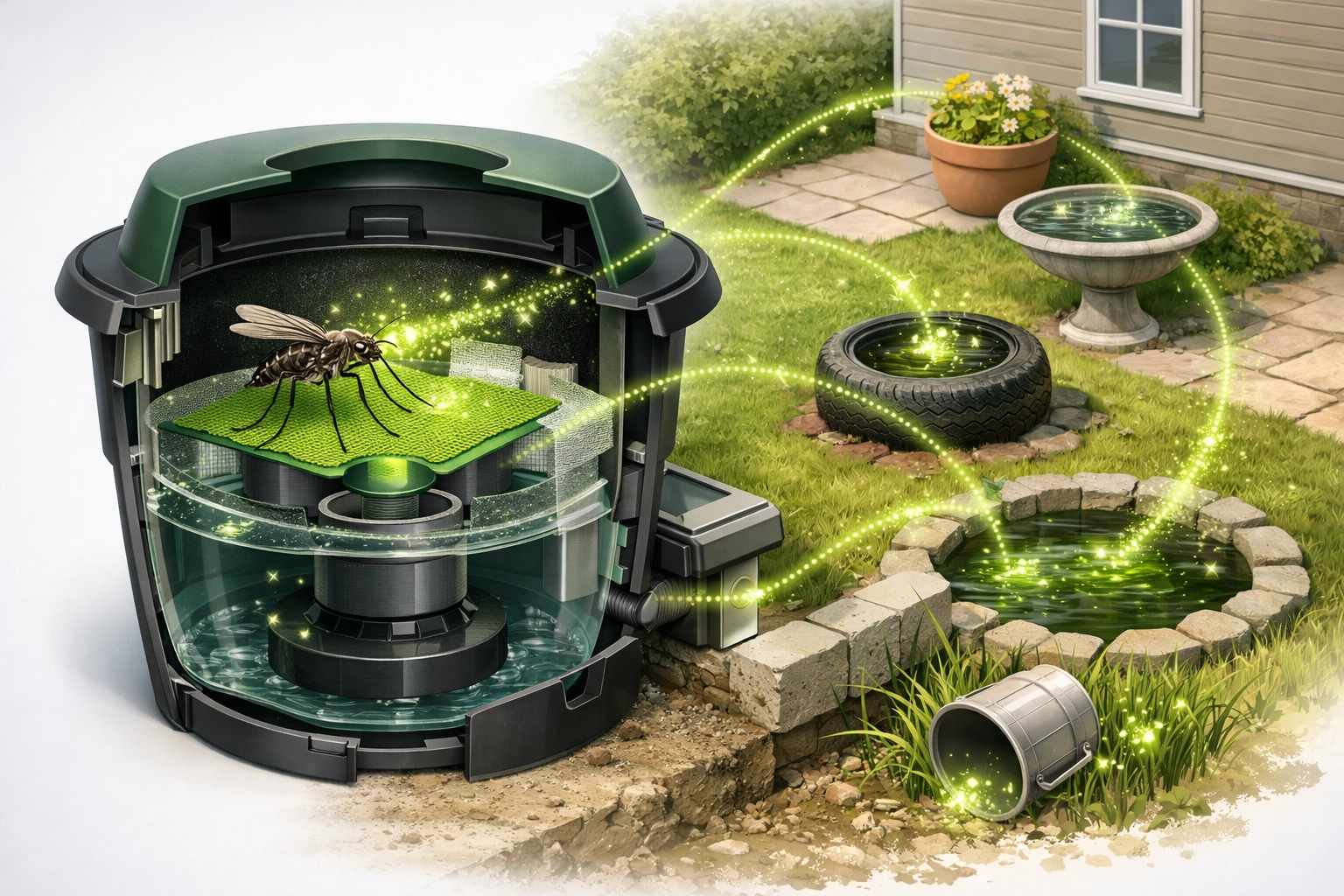
This dual-action mechanism is most effective when it has time to disrupt multiple breeding cycles. Each interrupted cycle means exponentially fewer mosquitoes later in the season. Starting early means more cycles get disrupted before populations reach those crazy summer levels.
The Eco-Friendly Edge
If you’re environmentally conscious (and honestly, who isn’t these days?), In2Care is a game-changer. Traditional mosquito control often relies on broad-spectrum insecticides that can harm beneficial insects like bees and butterflies. In2Care, on the other hand, specifically targets mosquitoes using biological agents.
The larvicide used is pyriproxyfen, an insect growth regulator that’s highly effective against mosquito larvae but has minimal impact on other organisms. The fungus, Beauveria bassiana, is a naturally occurring fungal species that targets mosquitoes and a few other pests but won’t harm people, pets, or pollinators.
Starting in March gives you a full season of eco-friendly protection without constantly spraying chemicals around your yard. Check us out at envirowisepest.com to learn more about our environmentally conscious pest control approaches.
What to Expect When You Start Early
So you’ve decided to get ahead of the game and start In2Care in March. Smart move. Here’s what the process typically looks like:
Initial Setup: Our certified technicians will strategically place In2Care stations around your property based on mosquito breeding patterns and landscape features. We’re looking for shady, protected areas where mosquitoes love to hang out.
Barrier Treatment: We often recommend an initial barrier treatment alongside the In2Care deployment. This provides immediate knockdown of any early-season mosquitoes while the stations build their long-term effectiveness.
Monthly Maintenance: In2Care isn’t a “set it and forget it” solution. The stations require monthly servicing to replenish the active ingredients and ensure they’re working properly throughout the season.
Ramp-Up Period: During the first 3-4 weeks, you might still see some mosquito activity. Don’t panic, this is normal. The autodissemination process is working behind the scenes, spreading through breeding sites you can’t even see.
Peak Season Protection: By late April or May, when your neighbors are lighting citronella candles and dousing themselves in bug spray, you’ll be enjoying your outdoor spaces with minimal mosquito interference.

Real Talk: Is It Worth Starting This Early?
Look, we’re not going to pretend that mosquito control is cheap or that every single mosquito will vanish from your property. But starting In2Care in March versus waiting until you’re already being eaten alive in May? The difference is night and day.
Early deployment means:
- Better seasonal protection overall
- Lower peak mosquito populations
- Fewer emergency “please come spray my yard NOW” calls
- More enjoyable outdoor living all summer long
- Peace of mind knowing you’re using an eco-friendly solution
Plus, here’s the thing about mosquitoes: they’re not just annoying. They can carry diseases like West Nile virus, which is present in California. Reducing mosquito populations around your home isn’t just about comfort; it’s about health and safety for your family.
Don’t Wait Until the Buzz
The bottom line? If you want to actually control mosquitoes this season instead of just reacting to them, March is your window. The weather’s starting to warm up, mosquitoes are beginning their breeding cycles, and In2Care stations need those few weeks to reach full effectiveness.
Got Pests? Call the Best! Our team at EnviroWise Pest Solutions is ready to get your property set up with In2Care mosquito stations before the season kicks into high gear. We’ll handle the strategic placement, monthly maintenance, and all the technical stuff so you can focus on what really matters: actually enjoying your yard this summer.
Text or Call: 559-765-0944 to schedule your March In2Care installation. Trust us, your future self (and everyone at your summer BBQ) will thank you.
