
Let's cut right to it: if you've been putting off termite prevention, 2026 is absolutely not the year to keep procrastinating. We get it, termite prevention feels like one of those "I'll deal with it later" tasks. But here's the reality check you didn't know you needed.
Experts are predicting that termite activity in 2026 will reach levels we haven't seen in nearly a decade. That's not fear-mongering, that's science. And if you're a homeowner in California (or anywhere with warm weather), you need to pay attention.
Why 2026 Is Shaping Up to Be a High-Risk Year
So what's different about this year? It comes down to three words: climate, humidity, and instability.
Warmer temperatures, elevated humidity levels, and increasingly unpredictable weather patterns have created the perfect storm for termite colonies to thrive. Subterranean termites, the most destructive type, absolutely love warm, humid conditions. They can start munching on your home's structural wood the moment conditions become favorable.
And let's be real: California has been serving up exactly those conditions on a silver platter.
"The combination of environmental factors creating ideal conditions for termite colonies makes 2026 especially concerning for homeowners who haven't invested in prevention."
This isn't about if termites will be active this year. It's about whether your home is protected when they come knocking.
The Financial Reality Nobody Wants to Talk About
Here's the part that makes homeowners lose sleep: termites cause billions of dollars in structural damage every single year across the United States. And here's the kicker, most homeowners insurance policies don't cover termite damage.
Read that again. Your insurance probably won't help you.
That means every repair, every replacement beam, every piece of damaged drywall comes straight out of your pocket. We've seen homeowners face reconstruction costs in the thousands, sometimes tens of thousands, because they skipped annual inspections or figured "it won't happen to me."
The math is pretty simple:
- Cost of annual termite inspection: Usually a few hundred dollars
- Cost of preventive treatment: Varies, but manageable
- Cost of repairing extensive termite damage: $3,000 to $30,000+ depending on severity
Prevention isn't an expense. It's an investment that protects a much larger investment, your home.
Warning Signs You Might Already Have a Problem
Before we dive into prevention strategies, let's talk about what to watch for. Termites are sneaky little destroyers, but they do leave clues:
- Mud tubes along your foundation or walls (these are termite highways)
- Hollow-sounding wood when you tap on it
- Discarded wings near windows, doors, or other entry points
- Buckling or blistering paint that looks like water damage
- Frass (termite droppings that look like tiny wood pellets)
- Sagging floors or ceilings in severe cases
If you're noticing any of these signs, don't wait. Got Pests? Call the Best! Seriously though, early detection can save you thousands.

Prevention Strategies That Actually Work in 2026
Okay, so you're convinced prevention matters. What actually works? Here's what the professionals (including our team at EnviroWise) recommend for comprehensive termite protection:
1. Annual Professional Inspections
This is non-negotiable. A trained eye can spot early warning signs that you'd never notice. Annual inspections catch infestations before they spread, which significantly reduces treatment costs.
Think of it like a dental checkup for your house. You wouldn't skip the dentist for a decade and expect healthy teeth, right?
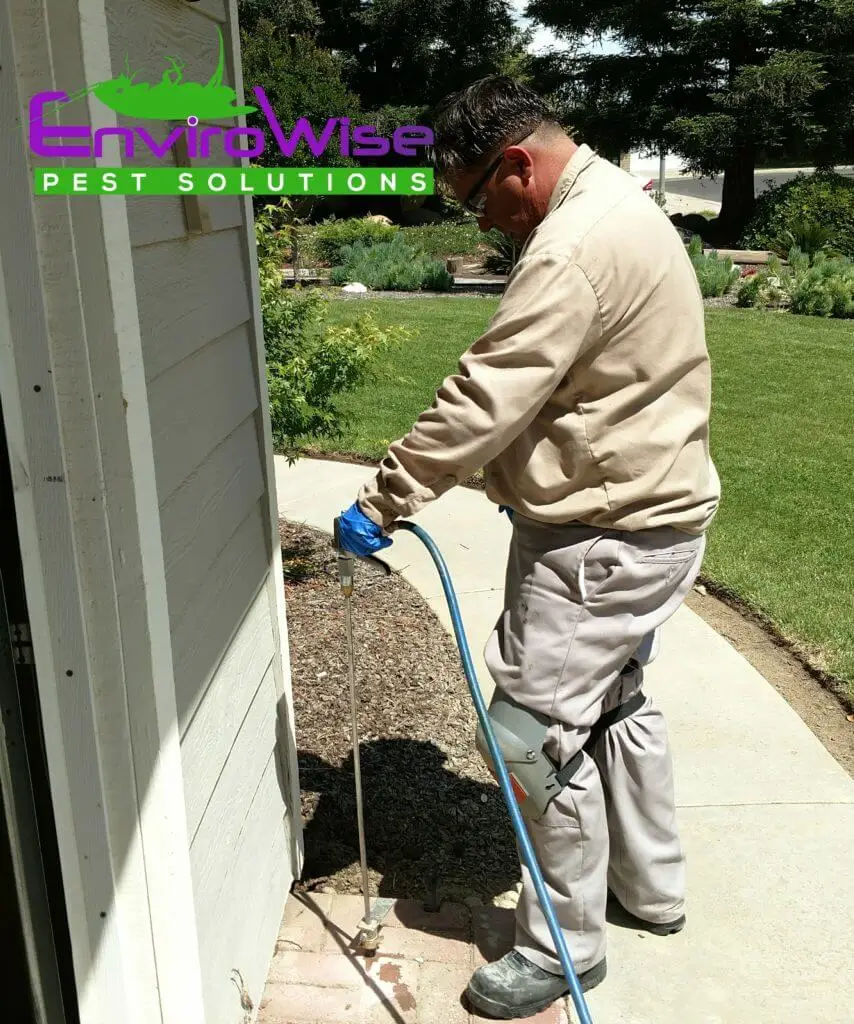
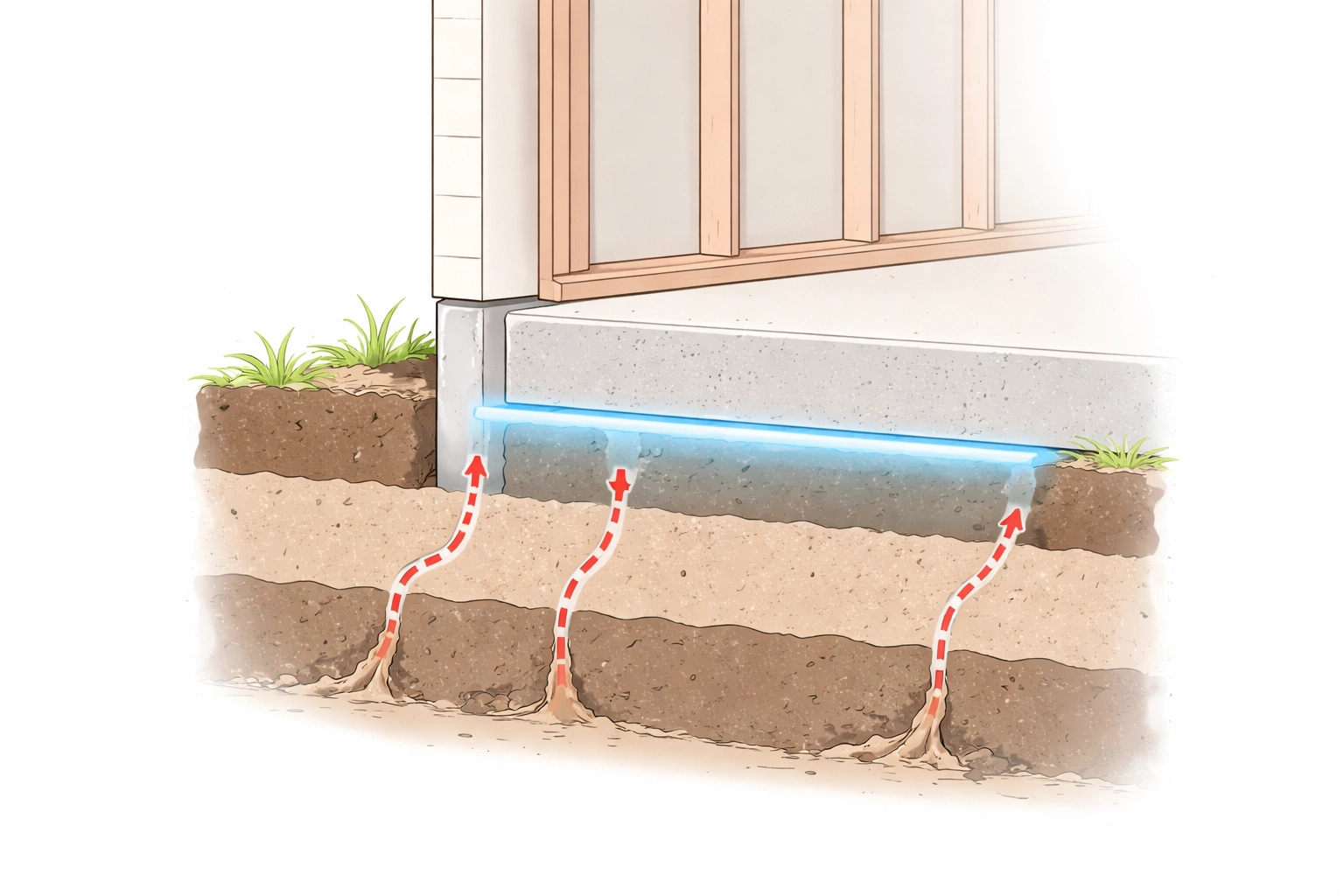
2. Liquid Soil Treatments
These create a chemical barrier around your foundation that termites can't cross. Modern treatments are more environmentally conscious than ever, targeting termites specifically without harming your family, pets, or the surrounding ecosystem.
3. Bait System Installation
Bait stations are strategically placed around your property to intercept termites before they reach your home. These systems require monitoring, but they're incredibly effective as part of a comprehensive prevention plan.
4. Moisture Control and Habitat Management
Termites need moisture to survive. By addressing these issues, you make your home less attractive to them:
- Fix leaking pipes and faucets immediately
- Ensure proper drainage away from your foundation
- Eliminate wood-to-soil contact around your home
- Keep gutters clean and functioning
- Ventilate crawl spaces properly

Why Professional Help Makes All the Difference
Look, we're all for DIY when it makes sense. But termite prevention isn't really a weekend warrior project. Here's why:
Professionals know where to look. Termites are masters of hiding. They can be destroying your home from the inside out while everything looks fine on the surface. Trained technicians know the hidden spots, the subtle signs, and the entry points you'd never think to check.
The treatments require expertise. Applying liquid barriers correctly, positioning bait stations effectively, and choosing the right approach for your specific situation takes experience. Get it wrong, and you've wasted money while termites keep feasting.
You get documentation. If you ever sell your home, having professional inspection reports and treatment records is incredibly valuable. It shows buyers you've taken care of the property.
"A single untreated infestation can lead to thousands of dollars in reconstruction costs. Early detection through annual inspections is the smartest investment a homeowner can make."

What About Eco-Friendly Options?
Great question. At EnviroWise Pest Solutions, we're big believers that effective pest control doesn't have to harm the environment. Modern termite treatments have come a long way from the harsh chemicals of decades past.
Today's options include:
- Targeted bait systems that affect only termites
- Low-toxicity liquid treatments that break down naturally
- Integrated pest management approaches that combine multiple strategies
- Physical barriers during construction that require no chemicals at all
You can protect your home AND be environmentally responsible. It's not an either/or situation anymore.
The Bottom Line: Don't Gamble With Your Home
Given 2026's forecasted elevated termite activity, prevention isn't optional: it's essential for protecting your home's structural integrity and your financial investment.
Here's your action plan:
- Schedule an inspection if you haven't had one in the past year
- Address moisture issues around your property
- Consider preventive treatment especially if you're in a high-risk area
- Stay vigilant for warning signs throughout the year
Your home is probably the biggest investment you'll ever make. Spending a little on prevention now beats spending a lot on repairs later.
Ready to get your home protected? Check us out at envirowisepest.com or reach out to schedule your inspection.
Text or Call: 559-765-0944
We're here to help you keep those termites where they belong: far away from your home. Got Pests? Call the Best!
